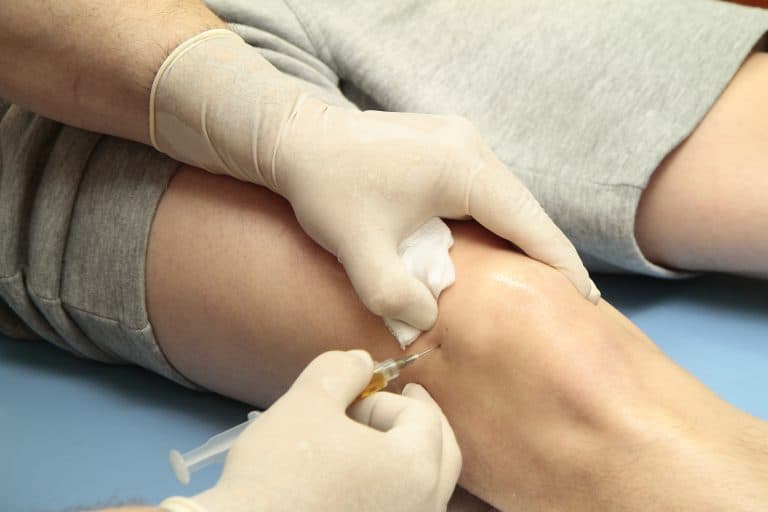



Regenerating Knee Cartilage Naturally: Insights from Nature, Nutrition, and Home-Based Care
Introduction
Healthy knee cartilage is crucial for keeping our joints comfortable and mobile. Acting as a cushion between bones, cartilage absorbs shock and prevents painful friction. When this tissue becomes damaged or wears thin, it can cause discomfort, stiffness, and limit mobility. Fortunately, nature gives us clues for supporting cartilage repair . In this article, we’ll explore how you can encourage your body’s own healing abilities—from harnessing nourishing foods and helpful supplements to taking advantage of simple at-home exercises . Supported by the latest research and real-world examples, these strategies can set the stage for stronger, healthier knees .
The Natural Blueprint for Cartilage Regeneration
Cartilage is an impressive tissue—it covers the ends of bones in our joints, allowing them to glide smoothly. However, unlike skin or muscle, cartilage has very little blood supply, which makes healing a slower process. Still, our bodies aren’t powerless. Specialized cells called chondrocytes work to repair and produce new cartilage when needed.
Interestingly, in the animal kingdom, some reptiles and amphibians can regenerate cartilage very effectively after injury. By studying these animals, scientists have gained valuable insight into how cartilage repairs, inspiring new ways to stimulate the process in humans.
For us, cartilage repair is about balance: chondrocytes must generate new tissue, while inflammation has to be kept in check to prevent further damage. Gentle movement —such as low-impact exercise—can help wake up these repair cells, encouraging recovery. This means that with the right care, our bodies do have more capacity for healing than we might think.
Free non-medical discussion
Not sure what to do next?
Information only · No medical advice or diagnosis.
Nutrition and Supplements for Joint Health
What you put on your plate can play a big role in protecting your knees and supporting cartilage recovery . One important nutrient is glucosamine, naturally found in shellfish, bone broth, and some supplements. Glucosamine is a building block for cartilage, helping maintain its structure and resilience.
Other nutrients matter, too. Vitamin C is essential for collagen production, which gives cartilage its flexibility and strength. Vitamin D, plus minerals like zinc and copper, also help your body maintain and build healthy joint tissue. A varied diet full of colorful fruits, leafy greens, nuts, and seeds will supply these beneficial vitamins and minerals.
For some people, supplements can provide an added boost—especially when they combine glucosamine with chondroitin (another joint supporter), turmeric, or omega-3 fatty acids. These combinations not only help with cartilage repair but can also reduce inflammation and discomfort. If you choose to try a supplement, be sure to pick one from a trusted brand to ensure quality and safety.

Easy Home Strategies for Healthier Knees
If your knees are already sore, exercise might seem risky—but when done right, gentle movement is key. Simple at-home exercises like straight leg raises, hamstring curls , and wall sits strengthen the muscles supporting your knee joints. These stronger muscles take pressure off the cartilage and help stabilize the joint, making healing easier.
Doing a handful of knee -strengthening exercises several times a week helps increase blood flow around the joint, delivering more healing nutrients and oxygen. Focus on good form, and gradually increase your effort over time.
Lifestyle changes also make a difference. Maintaining a healthy weight reduces daily stress on your knees . Avoid sitting still for too long, and choose supportive shoes to give your knees proper alignment as you move through your day. Together, these habits support your body’s natural ability to repair cartilage and keep your knees moving freely.
Conclusion
Regenerating knee cartilage naturally is both hopeful and practical, giving you options to improve joint health without resorting to invasive treatments. By understanding how healing happens in your body, supporting repair with smart nutrition and possibly supplements, and adding effective home exercises and healthy habits, you can give your knees the best chance to recover and stay strong.
Remember, talk with a healthcare professional before starting new supplements or exercise routines to make sure they’re appropriate for your needs. With patience and a little consistency, natural strategies can help you enjoy healthier knees and a more active, comfortable life.
References
Koohpar, A. K., Jahandideh, A., & Mortazavi, P. (2023). Investigation of the effect of plasma jet on regeneration of rabbit knee cartilage. International Bulletin of Veterinary Medicine, 2, 379-387. https://doi.org/10.52419/issn2072-2419.2023.2.379
Okahashi, K., Fujisawa, Y., Sugimoto, K., & Tanaka, Y. (2010). Cartilage regeneration of knee OA after high tibial osteotomy. Techniques in Knee Surgery, 9(2), 95-100. https://doi.org/10.1097/btk.0b013e3181e0a0b0
Rodríguez‐Merchán, E. C. (2012). Regeneration of articular cartilage of the knee. Rheumatology International, 33(4), 837-845. https://doi.org/10.1007/s00296-012-2601-3
Frequently Asked Questions
- Natural strategies such as balanced nutrition, gentle exercise, and lifestyle adjustments empower the body’s healing processes. At London Cartilage Clinic, Prof Lee’s personalised approach ensures patients access comprehensive, research-backed guidance tailored to their needs, helping optimise joint comfort while avoiding invasive procedures whenever possible.
- Prof Lee is a leading authority in cartilage repair, offering advanced diagnostic tools and modern non-surgical treatments at the London Cartilage Clinic. His extensive experience ensures patients benefit from the latest research and innovations in joint care, maximising comfort, mobility, and the potential for natural cartilage regeneration.
- Supplements such as glucosamine, chondroitin, or omega-3s may support joint health. At London Cartilage Clinic, Prof Lee reviews dietary needs and advises on appropriate, evidence-based supplements as part of a targeted strategy, empowering patients with safe, quality options that complement their personalised treatment plan.
- Gentle home exercises—such as straight leg raises and hamstring curls—can strengthen supporting muscles and promote joint health. Under Prof Lee’s guidance, patients at London Cartilage Clinic receive bespoke exercise recommendations, designed to safely build strength and enhance the body’s own ability to repair cartilage.
- London Cartilage Clinic stands out for its commitment to tailored, research-driven care led by Prof Lee. Patients benefit from expert assessment, innovative therapies, and a holistic approach that prioritises natural healing, setting the standard for excellence in joint preservation and cartilage repair in the UK.
Legal & Medical Disclaimer
This article is written by an independent contributor and reflects their own views and experience, not necessarily those of London Cartilage Clinic. It is provided for general information and education only and does not constitute medical advice, diagnosis, or treatment.
Always seek personalised advice from a qualified healthcare professional before making decisions about your health. London Cartilage Clinic accepts no responsibility for errors, omissions, third-party content, or any loss, damage, or injury arising from reliance on this material.
If you believe this article contains inaccurate or infringing content, please contact us at [email protected].
London Cartilage Clinic
Modern treatments, designed for lasting knee outcomes
Every treatment plan is selected to help you return to the quality of life you deserve. Our team combines up-to-date techniques with consultant-led decision making across cartilage repair, regeneration and replacement.
What your journey can look like
Step 01
Consultant-Led Assessment
Symptoms, imaging and goals reviewed in one structured appointment.
Step 02
Personalised Treatment Plan
A clear route chosen from repair, regeneration or replacement options.
Step 03
Precision Delivery
Modern techniques and specialist equipment matched to your diagnosis.
Step 04
Long-Term Knee Health
Follow-up guidance focused on durable function and quality of life.
Will the Arthrosamid work for me
PAAG-8+ Questionnaire
A bright, structured entry point for patients exploring Arthrosamid. The questionnaire helps frame suitability, expectations, and 24-month clinical benefit discussion before a fuller consultant-led review.
Designed for shared decision-making. It does not replace specialist consultation, examination, imaging review, or formal medical advice.